How to Brief a Brand Film Interview That Sounds Human
Choose the right voice, prepare useful questions, protect the sound and capture supporting scenes before you ask someone to tell your brand story on camera.
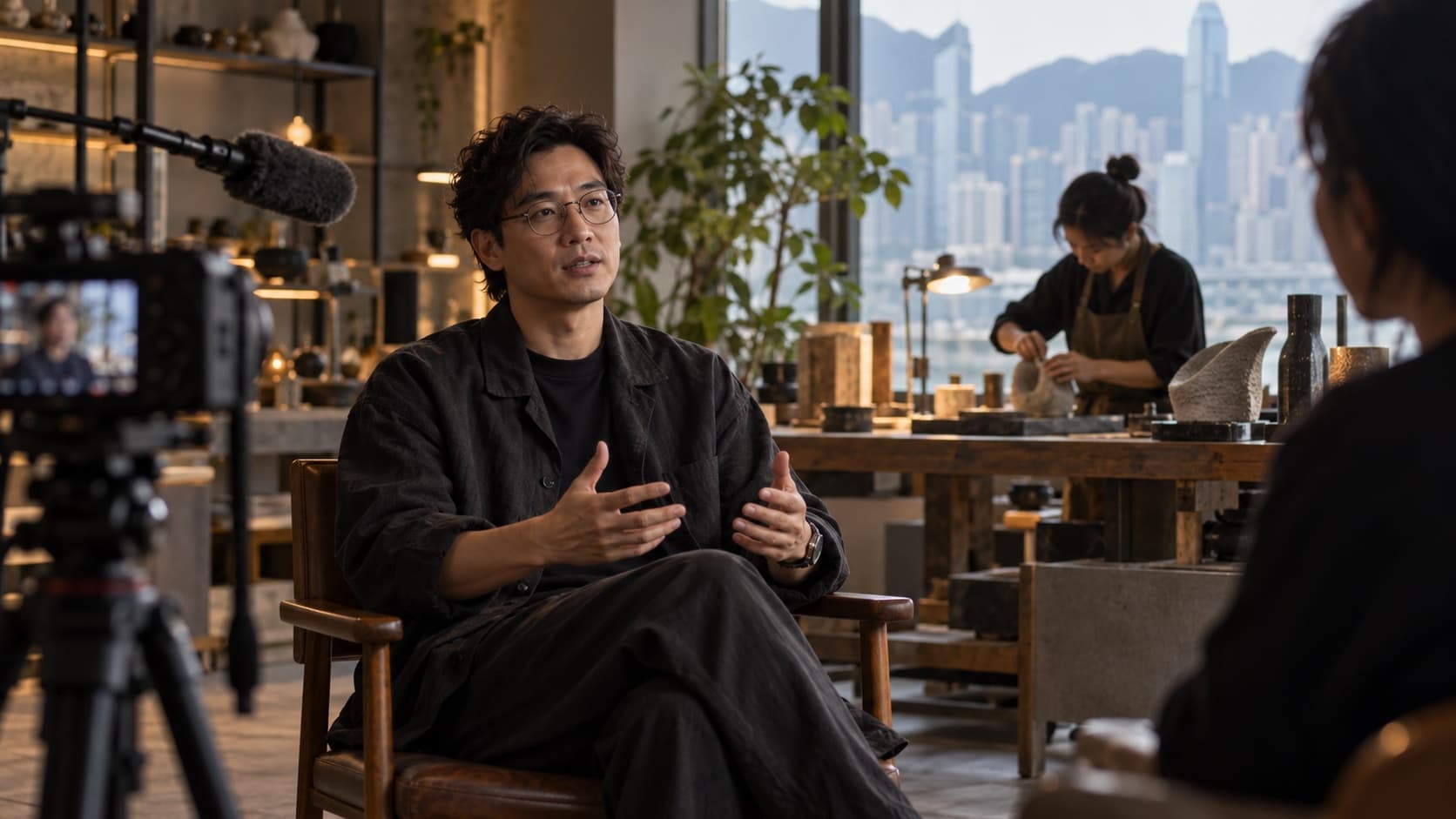
A useful brand film interview brief defines what the audience should understand, who can speak to it credibly, and what evidence the camera can show. Give the speaker the themes and factual boundaries, then let them answer in their own words. Plan the location, sound and supporting footage with the same care as the questions. A polished answer cannot carry a film if it is unclear, inaudible or unsupported by what viewers see.
This guide is for a marketer commissioning an interview-led film, whether the speaker is a founder, employee, customer or specialist. It is a planning framework, not a description of a particular Visual Matters shoot. The goal is to leave enough room for a real conversation while making the production and approval decisions before filming begins.
Give each interview one job
Start with the audience and the decision the film should help them make. A customer considering a service may need to understand a real problem and a credible outcome. A potential employee may need to see how a team works. An existing client may need a clear explanation of a change. These are different stories, even if the same person appears in all three.
Write a one-sentence purpose: “After watching, this audience should understand ___ because they have seen or heard ___.” Then list two or three points the speaker can genuinely support. If a point requires a product claim, a figure or a comparison, ask the brand owner to verify it separately. Do not rely on the interviewee to remember approved wording under the lights. The brief should also say what the film should avoid implying.
One speaker can provide warmth and a clear point of view. Several speakers can add evidence and range, but they require more filming and a stronger editorial plan. Choose voices for what they know and can say comfortably, rather than treating seniority as the only reason to put someone on camera.
Prepare a question route, not a speech
Send topics in advance so the participant can prepare facts and feel at ease. Avoid handing over a paragraph to memorise if the desired result is a natural interview. A question route can move from context to an example, then to what changed and why it matters. Ask for a specific moment: “What was difficult before?” or “What did you notice when the first version was used?” Follow with “Can you show us?” when the answer refers to a visible process or place.
The interviewer should know which facts must be covered, but have permission to ask a follow-up when an answer reveals something useful. Leave a pause after an answer instead of rushing to the next prompt. Ask the participant to restate a question within their answer when the line may need to stand alone in a short edit. That gives the editor usable sentences without making the whole conversation sound rehearsed.
Before the shoot, agree who can approve factual claims and who can approve the final film. Explain to the participant how their words and image are intended to be used, including the channels, markets and expected duration of use. Confirm the required permissions and any sensitive topics with the brand's own team. This is a production planning step; the exact rights terms depend on the project and should be documented rather than assumed.
Choose a place for sound and meaning
An attractive setting is useful only if the crew can record intelligible speech there. Visit or test the space at the time of day you intend to film. Listen for air conditioning, traffic, music, machinery and interruptions. Check whether the room can be quieted, whether power and access are available, and whether people or confidential material will appear behind the speaker. Adobe's video-production guide recommends scouting for background noise and prioritising clear audio alongside lighting and composition.
A controlled room offers predictable sound and light, but may say little about the person. An active workplace can provide context and useful action, but it may require a separate quiet corner for the conversation. A simple approach is to record the interview where speech is reliable, then film the work and environment elsewhere. The right choice depends on what the location adds to the story, not on whether the backdrop looks impressive in a still frame.
Ask the crew how they will monitor speech during recording and what their backup is if a microphone or location fails. YouTube's production guide also stresses clean audio, appropriate microphone placement and considered lighting. The buyer does not need to prescribe a particular microphone; the brief needs to make intelligibility a non-negotiable deliverable.
Capture what the speaker is talking about
Interview footage is often strongest when viewers can see the process, product, place or people being discussed. Plan a short list of supporting scenes for each important point. If someone describes making an object, show the relevant action and detail. If they describe a service experience, consider the spaces and interactions that explain it. Avoid generic cutaways that merely cover an edit.
Adobe's B-roll guide explains that supporting footage can establish a scene and help connect interview sections, and recommends planning it before filming. For a brand buyer, the practical test is simple: if the sound were muted, would the pictures still teach the viewer something true about the story? A useful cutaway should be accurate, cleared for use and tied to a line the film may include.
Allow time for those scenes in the schedule. They may need a different light, staff availability, product sample or access permission. If the interview runs long, decide in advance which supporting shots are essential and which are optional. The edit cannot show a real process that the crew was never able to capture.
Plan the edit and review before filming
State the main film's intended audience, approximate length and placement, then identify any genuinely distinct versions. A website film, a short social introduction and an internal cut may use the same conversation but need different openings or context. Our video deliverables guide explains how to record those differences before a shoot. Do not promise every possible cutdown from one interview; some messages need a separate question or a different visual setup.
Agree the review order. First check that the selected statements are accurate and that the story makes sense. Then review pacing, supporting footage, graphics and sound. Finally check the approved names, claims, captions, end cards and exported files. A single person should consolidate notes so the editor receives one decision per round. The brand video approval guide offers a fuller review framework.
Plan accessibility while the film is still being scoped. The W3C's media planning guidance advises identifying caption, transcript and other media-access needs early. For an interview, decide who will check names, specialist terms and timing against the final audio, and whether each destination requires a caption file, captions in the picture, a transcript or more than one of these. If the film will run in several languages, book a reviewer for the finished version, not just the translated text.
The brief to send the production team
Your brief can fit on a page: audience and desired takeaway; the speaker's role and reason to hear from them; two or three verified points; the question themes; sensitive or off-limit topics; intended channels and markets; location and sound constraints; supporting scenes that must be shown; access and participant permissions; deliverables; and the names of factual and final approvers. Mark what is essential and what the team may propose differently.
The tradeoff is between control and discovery. Too little direction can leave an interview full of interesting but unusable answers. Too much scripting can remove the very voice the film was meant to capture. A strong brief protects the facts and purpose while giving the interviewer room to find a specific, honest account.
Visual Matters' video production service covers the planning, filming and editing decisions behind brand content. If you are shaping an interview-led film, share the brief and we can discuss which voices, settings and supporting scenes it needs before choosing the production approach.